
How Much To Resurface Driveway
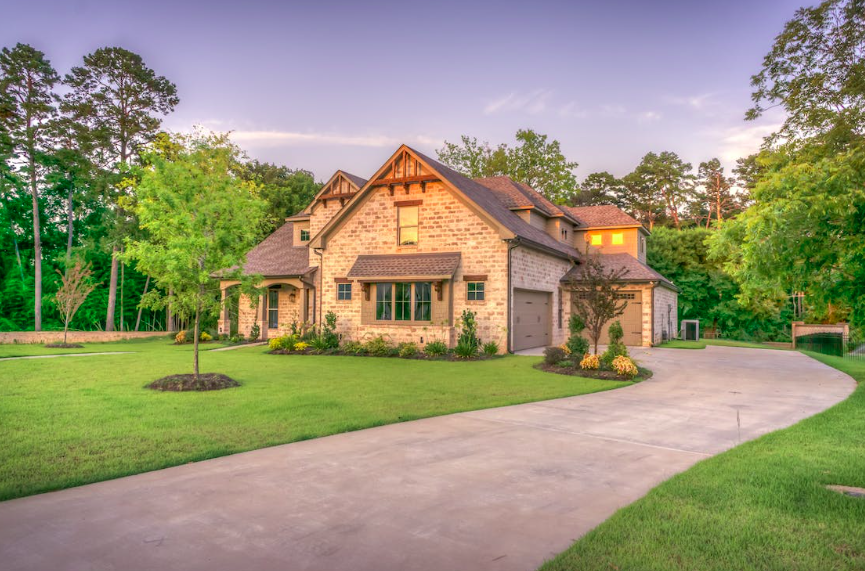
Whether you’re selling your home or just sprucing up, driveway resurfacing can boost your curb appeal. But how much to resurface driveway at home?
This article breaks down the factors that’ll impact your wallet, compares resurfacing versus replacing costs, and even offers tips on saving money.
You’ll also learn what to expect when hiring a pro and how to maintain your driveway after it’s been serviced.
Let’s dive in!
Understanding the Process of Resurfacing and the Average Driveway Resurfacing Cost Per Square Foot
Let’s dive into understanding driveway resurfacing, which isn’t as complicated as it might sound. Essentially, it’s about applying a new layer of material on top of the existing driveway. It’s often done when the current surface starts to deteriorate or show signs of wear and tear.
The main reason homeowners opt for resurfacing instead of completely replacing their driveways is cost-effectiveness. Resurfacing can enhance the appearance and extend the lifespan of an asphalt driveway or concrete driveway without ripping out the old one. However, it can’t fix structural issues; if there are major damages like large cracks or holes, replacement might be necessary.
The process begins with cleaning and repairing minor flaws on the surface. Then they apply a binder to ensure that the new layer adheres properly. Afterward comes laying down and compacting the new surface material—usually asphalt or concrete.
And how much does it cost depends on several factors such as size, condition, materials used, and labor charges. The average cost though is around 5 per square foot – 7 per square foot for asphalt and 10 per square foot – 20 per square foot for concrete.
Factors Determining the Cost of Resurfacing a Driveway
You’ll find that the total expense or project cost can vary widely, depending on elements such as the size of your project, the materials you choose, and local labor costs. The homeowner’s choice of material plays a significant role in the cost fluctuation. For instance, asphalt might be less expensive than concrete or brick pavers.
Another major factor affecting the resurfacing cost is the driveway’s condition before resurfacing. If it’s heavily damaged, it may require more work which could escalate costs. Additionally, geographical location affects both material prices and labor charges.
Moreover, professionals’ fees differ based on their expertise and reputation in the industry. High-end contractors usually charge in terms of the driveway resurfacing cost per square foot, but they’re likely to provide better quality workmanship and use superior materials.
Also included are incidental costs such as permits and disposal fees for removed materials. They may not be too hefty but they’re part of the overall expenses one should consider.
Lastly, one shouldn’t forget about upkeep costs post-resurfacing. Regular maintenance extends a driveway’s lifespan which can offset some of the initial outlay over time.
Steps Involved in Driveway Resurfacing
It’s crucial to understand the steps involved in giving your pavement a new surface. This can help you appreciate the complexity and value of the work being done. Resurfacing a driveway isn’t simply about laying down a fresh layer of asphalt or concrete. It’s a multi-step process that requires precise planning and execution.
Step 1: Inspection and Planning
The contractor assesses the current condition of the driveway, identifies any areas requiring repair, and plans out how they’ll approach the resurface.
Step 2: Preparation
This involves cleaning and clearing the area for resurfacing. It includes removing debris, repairing cracks or holes, and ensuring there’s no moisture on the pavement.
Step 3: Resurfacing
Here’s where they apply a fresh layer of asphalt or concrete over your existing driveway. After laying down this new surface, it needs to be smoothed out properly.
After these steps are completed successfully, you’re left with an aesthetically pleasing driveway. It not only adds to your home’s curb appeal but also provides a smooth ride for vehicles.
Understanding these processes will surely make one comprehend why it’s worth investing in professional services for driveway resurfacing.
Find Out How Much is the Cost of Resurfacing Vs. the Need To Repave Your Driveway
When weighing up whether to redo or merely refresh your pavement, you’ve got to factor in both upfront driveway costs and long-term value. It’s a delicate balance; however, some basic guidelines can help make the decision easier.
Resurfacing is generally cheaper than replacing an entire driveway. It involves removing the top layer of the existing pavement and replacing it with a new driveway material. This option is ideal when there are minor cracks or damages on the driveway surface but its foundation remains intact.
On the other hand, replacement involves completely tearing out and rebuilding the driveway from scratch. While this is typically more expensive upfront than resurfacing, it could be a sound investment if there are severe structural issues with your current driveway that would only worsen over time.
Don’t forget that cost isn’t everything – consider also longevity and aesthetics. Resurfaced driveways may not last as long as new ones, but they can certainly improve curb appeal at a fraction of the price.
All things considered, it’s crucial to assess your individual situation carefully before making a decision between resurfacing or replacing your driveway.
How to Save Money as You Resurface an Asphalt Driveway or Concrete Driveway
Saving on pavement redoing can be achieved by doing some preliminary work yourself, such as removing any weeds or debris. Driveway resurfacing may seem like a daunting task, but with a little effort and time, homeowners can save significantly.
To begin with:
Preparation
This includes clearing the driveway of objects or vehicles and ensuring that the surface is clean and dry. It’s also crucial to repair any cracks or holes before resurfacing begins.
– Removal of Debris: Clearing out leaves, twigs, and other debris helps in achieving a smooth finish.
– Weeding: Weeds should be pulled out from their roots to prevent them from growing back quickly.
Material Selection
Homeowners need to choose the right material for their driveway. They must consider factors such as climate, usage, and personal preference.
– Asphalt: Asphalt driveway costs are usually low but requires regular maintenance.
– Concrete: More expensive than asphalt but lasts longer.
Hiring Professionals
While DIY can save money upfront, hiring professionals guarantees quality work which could save on future driveway repair costs.
– Reputation: Ensure the contractor has positive reviews.
– Experience: The contractor should have years of experience in driveway resurfacing.
Hiring a Professional for Driveway Resurfacing: What to Expect
Hiring a professional for your pavement redoing project isn’t just about getting the task done, but also ensuring that you’re investing in quality workmanship. They’ve got the skills and experience to deliver a driveway that’s not only aesthetically pleasing but also durable and long-lasting.
It starts with an initial consultation where they’ll assess your driveway’s current condition and discuss your expectations. They’ll then provide an estimate of costs involved, taking into account factors like size, materials, and labor required.
Once you’ve agreed on the terms, they’ll get to work. Professionals use industry-grade tools and high-quality materials, ensuring that every step is carried out meticulously from prep work to application of the resurfacing material. You can expect minimum disruption as they’re adept at scheduling their tasks efficiently around your daily routines.
Post-project cleanup is part of their service too; you won’t be left with debris or waste materials scattered around your property. Finally, they’ll do a walk-through with you to ensure everything meets your satisfaction.
If you want an expert contractor to handle your driveway resurfacing project, contact Bluff City Paving in Memphis today as they have the experience and skills to handle any project efficiently. Call them today for a smooth and professional outcome.
Maintenance Tips After Driveway Resurfacing
After your pavement’s been professionally redone, it’s crucial to regularly maintain it to prolong its lifespan and keep it looking fresh.
To keep your driveway in top shape, there’re a few key maintenance procedures you should follow.
Regular Cleaning
– Sweep off dirt and debris: This prevents the accumulation of materials that can cause staining or damage.
– Wash with mild soap and water: Gentle cleaning helps preserve the finish and prevent stains from setting in.
Prompt Repair of Damages
– Fill cracks as soon as they appear: Small cracks can expand over time if not addressed promptly.
– Sealcoat annually: Regular sealcoating protects against water infiltration, UV rays, and chemicals.
Avoiding Harmful Practices
– Don’t use harsh chemicals for ice removal: These can degrade the surface material and lead to premature deterioration.
– Limit heavy vehicle traffic: Excessive weight can cause cracking or sinking spots in your driveway.
Remember, regular maintenance doesn’t just enhance aesthetics—it also ensures longevity. It’s an investment that’ll save you from costly repairs or early replacement down the line.
Keep these tips at hand after resurfacing your driveway.
Conclusion
In conclusion, resurfacing your driveway doesn’t have to break the bank. It’s often cheaper than replacing it entirely and can give your home a fresh look.
You’ll want to consider factors like size, material, and labor costs. Hiring a professional is typically best to ensure quality work.
Remember, proper maintenance after resurfacing extends its lifespan, saving you money in the long run. So weigh your options carefully before deciding on a course of action for your driveway.